

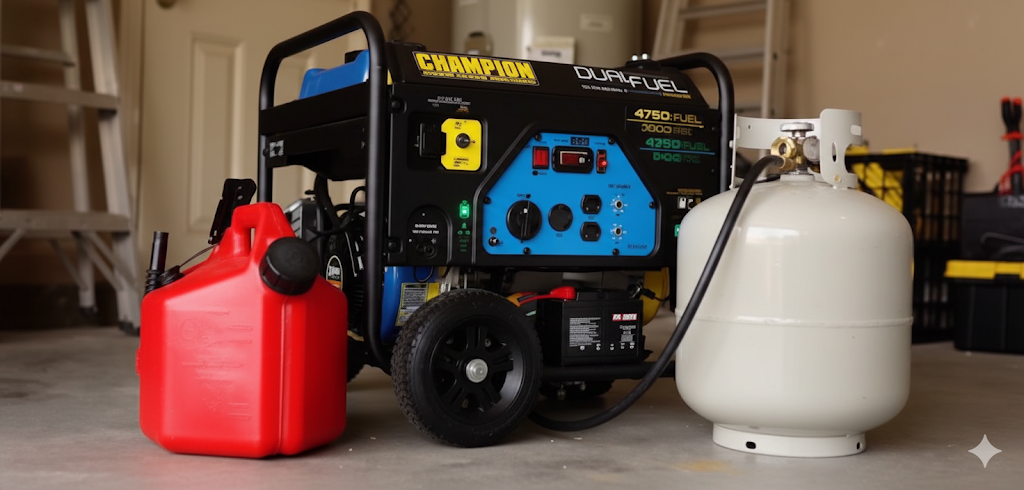
When Ottawa winters bring ice storms and extended blackouts, a residential backup generator is more than just a convenience—it’s a necessity. But which is better for your home: a natural gas generator or a propane generator? Let’s break down the pros, cons, and real homeowner considerations so you can make the right choice.
Why Fuel Choice Matters in Ottawa
Ottawa homeowners face unique challenges during outages. Freezing temperatures, heavy snow, and prolonged power cuts mean your home backup power system must be reliable and cost-efficient. Choosing the wrong generator fuel type could leave you with unnecessary expenses or, worse, a system that fails when you need it most.
Propane Generators: The Reliable Tank Option
Pros of Propane Generators
- Easier Storage: Propane can be stored in tanks on your property, which is handy if you don’t have access to natural gas lines.
- Long Shelf Life: Unlike gasoline, propane doesn’t degrade quickly, making it ideal for emergency use.
- Cleaner Burning: Propane produces fewer emissions and deposits, which means less wear on the system and reduced maintenance costs.
Cons of Propane Generators
- Delivery Dependence: You’ll need a supplier to refill tanks, which could be difficult during severe winter storms.
- Lower Efficiency: Propane may generate less power per gallon compared to natural gas.
For homeowners interested in safe storage solutions, our guide on replace old unsafe wiring also applies to safe electrical setups for propane systems.
Natural Gas Generators: Always-On Fuel Supply
Pros of Natural Gas Generators
- Unlimited Supply: Connected directly to the municipal gas line, you’ll never have to worry about running out during an outage.
- Lower Running Costs: Natural gas often costs less per unit of energy than propane in Ottawa.
- Convenience: No need to schedule deliveries or monitor fuel levels.
Cons of Natural Gas Generators
- No Gas Line, No Power: Homes without a natural gas connection can’t use this option.
- Potential Pressure Drops: During widespread outages, natural gas pressure may fall, reducing generator performance.
If you’re thinking of upgrading, our generator installation services explain how professionals safely connect backup systems to natural gas lines.
Ottawa Winters: Which Fuel Works Best?
- Reliability in Outages: Natural gas wins if you already have a gas line, since supply is continuous even during long blackouts.
- Rural Properties: Propane is the better option if your home doesn’t have access to natural gas.
- Cold Weather Performance: Both fuels perform well in cold climates, but propane tanks must be insulated or buried to prevent pressure loss in extreme cold.
- Running Costs: Natural gas tends to be more cost-effective over the long term.
Maintenance & Longevity
Regardless of the fuel type, regular electrical maintenance is key. Neglecting upkeep can lead to costly issues like breaker tripping or brown-outs. Professional service ensures your generator system is always ready.
Final Thoughts: Which Should You Choose?
- Choose natural gas if your Ottawa home already has a line, and you want a low-maintenance, cost-effective solution.
- Choose propane if you need independent fuel storage or live in an area without gas service.
For long-term value, many Ottawa homeowners see generators not just as backup power, but as an investment in home safety and property value.
Explore our backup power and generators page for more guidance, or schedule a consultation with our licensed electricians.