

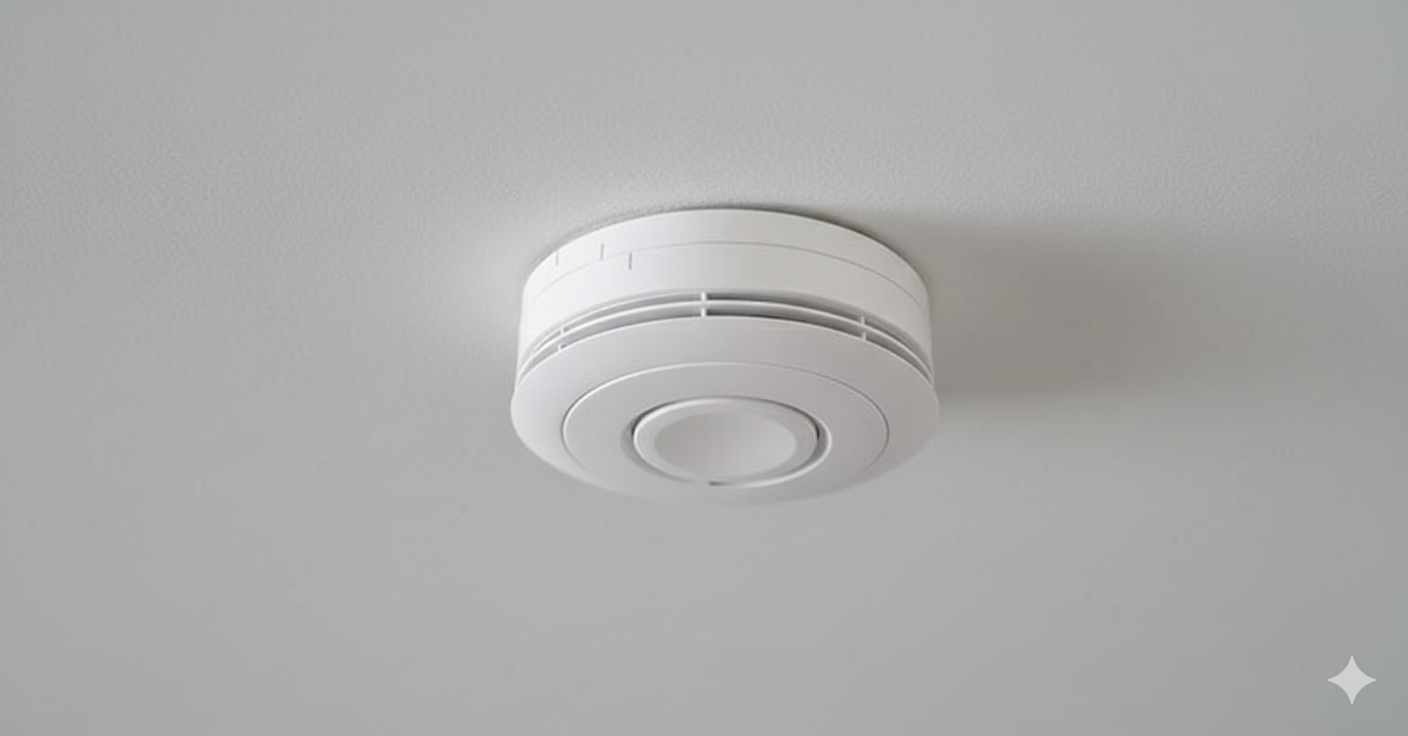
Keeping your Ottawa home safe starts with the right placement of smoke and carbon monoxide (CO) detectors. Even with quality devices, the wrong location can leave dangerous blind spots — especially in basements, garages, or older homes with outdated wiring.
This guide walks you through where to install detectors for maximum coverage, city compliance, and peace of mind, based on current Ottawa and Ontario Building Code standards.
Why Proper Smoke Detector Placement Matters
Many homeowners assume one alarm near the kitchen or hallway is enough. Unfortunately, that’s a common code fail. Smoke and CO don’t move evenly — they can collect in corners or bypass poorly placed alarms.
By following best practices, you can:
- Detect fires or gas leaks before they spread
- Avoid insurance claim denials from missing alarms
- Protect sleeping areas where most incidents happen at night
If your home’s detectors are older than 10 years, or if you’ve renovated recently, it’s time to upgrade. A professional electrician in Ottawa can help ensure everything meets current standards and wiring codes.
Room-by-Room Detector Placement Guide
Bedrooms and Hallways
Install a smoke alarm inside every bedroom and outside each sleeping area (for example, in the hallway). These areas are where early warning is most critical.
For CO detectors, place one outside sleeping zones, especially near furnaces, fireplaces, or gas appliances.
You can learn more about keeping your outlets and circuits safe during upgrades by visiting our guide on electrical wiring and rewiring.
Living Areas and Common Spaces
If you have a multi-story home, install one smoke detector on every level, including living rooms, lofts, or finished attics.
Avoid placing alarms directly above heating or cooling vents where airflow can delay smoke detection. For older homes with inconsistent power, consider adding surge protection (see residential surge protection services) to extend device life.
Basements
Basements are high-risk areas, especially if they contain furnaces, dryers, or water heaters. Install both a smoke and CO detector at the bottom of the stairway ceiling, ensuring they’re not blocked by beams or insulation.
If you’ve recently added or finished a basement, an electrical inspection (electrical safety and inspections) ensures your detectors are powered safely and correctly interconnected.
Garages
Ottawa’s fire code doesn’t always require a smoke detector inside an attached garage, but CO alarms are strongly recommended — vehicle exhaust can easily leak into living areas.
Mount a CO detector on the shared wall between your garage and home, at least 1.5 meters from fuel-burning sources.
Kitchens
Kitchens cause more false alarms than any other room. Avoid placing smoke detectors too close to stoves or ovens — at least 3 meters away is ideal.
Instead, consider heat detectors for this space, which activate based on temperature rise, not smoke. For installation help, check out our appliance and equipment installation page.
Laundry Rooms and Utility Spaces
Laundry rooms and mechanical areas should have a CO detector if they house gas-powered dryers, furnaces, or water heaters.
Since these spaces often have limited airflow, proper placement ensures fumes or leaks are caught quickly. An Ottawa electrician can help with dedicated circuit installations (see dedicated circuits service) for new detector systems.
Common Code Mistakes Ottawa Homeowners Make
- Only installing one detector per floor – Newer codes require each sleeping area and hallway to be protected.
- Mounting too close to vents or fans – This disperses smoke or CO before alarms can detect them.
- Using battery-only units where hardwired models are required – For new homes or major renovations, hardwired, interconnected detectors are mandatory.
- Ignoring basements and garages – These are top sources for electrical fires and carbon monoxide buildup.
You can review more about code compliance and safe installations on our electrical code updates page.
Hardwired vs. Battery-Operated Detectors
While battery-powered detectors are acceptable for older Ottawa homes, hardwired interconnected systems are the gold standard for safety. They ensure all alarms sound simultaneously when one detects smoke or gas.
Hardwired detectors also:
- Reduce maintenance and false alarm risks
- Meet Ottawa electrical installation standards
- Can be tested and monitored through smart home systems
If your home still uses battery-only units, talk to a licensed electrician about upgrading your smoke and CO alarm installation (see smoke detectors service).
Best Practices for Ottawa Homes
- Replace detectors every 7–10 years.
- Test alarms monthly and clean sensors to remove dust.
- Use photoelectric smoke detectors near kitchens and ionization models in bedrooms for faster response to different fire types.
- Ensure your CO detectors meet CSA 6.19 standards for Canadian homes.
For homes with electrical panels or rewiring needs, check out our section on panel and circuit services.
Protect Your Home the Smart Way
Proper smoke and CO detector placement can literally save lives — but only when installed in the right spots and properly powered. Ottawa homeowners should treat detector layout as seriously as any other electrical safety upgrade.
If you’re planning a renovation, home addition, or safety upgrade, schedule a professional inspection and installation through Electricians Ottawa.
Get it done right, up to code, and designed for your home’s unique layout — so your family stays safe year-round.