
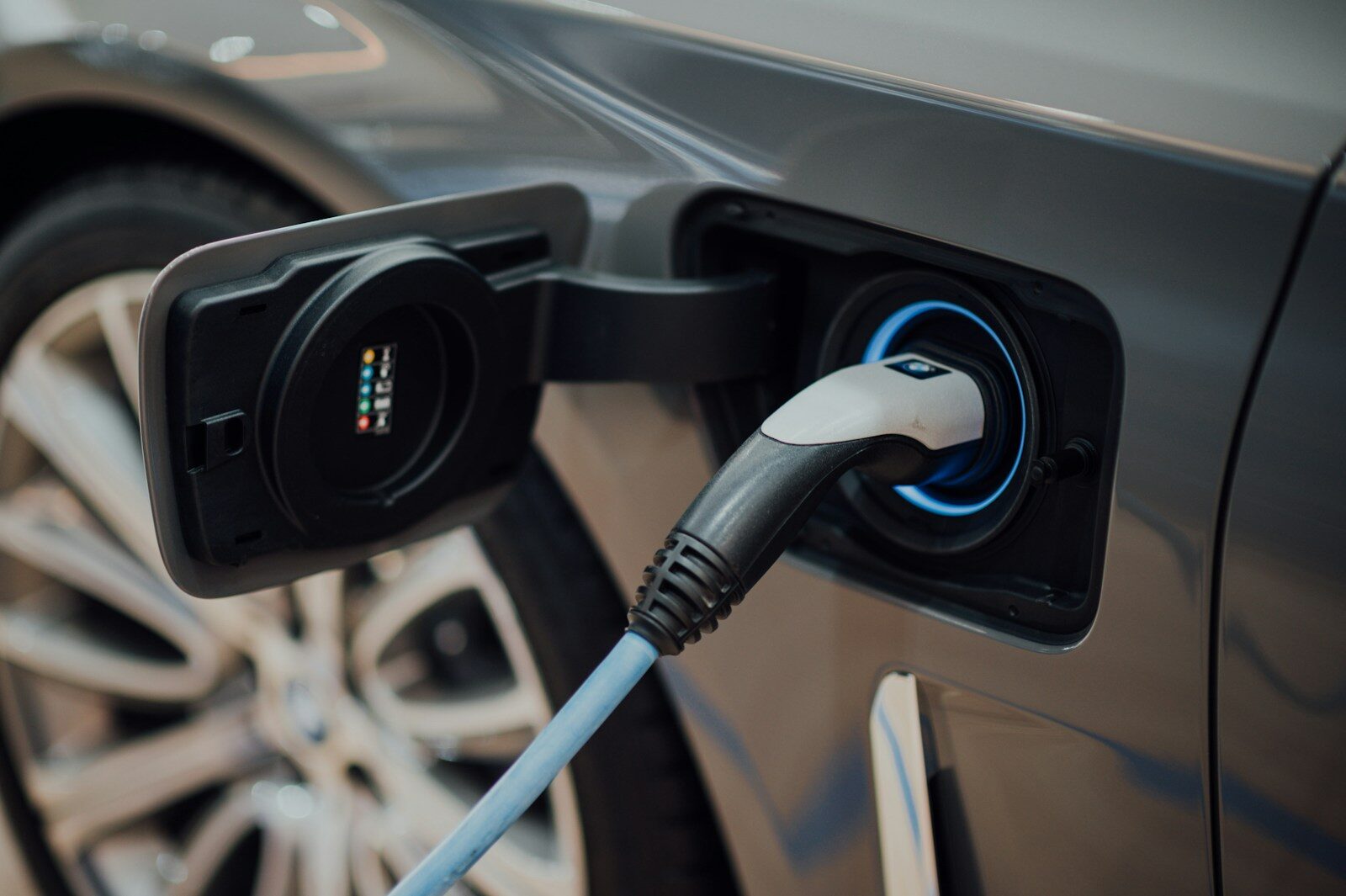
EV Charger Installation Cost Ottawa 2026: Level 2 Home Charging
How much does it actually cost to install a Level 2 EV charger Ottawa homeowners can rely on through our winters? The answer depends on your charger choice, your panel’s capacity, the distance from panel to charger, and whether any upgrades are needed. This 2026 EV charger installation cost guide breaks down every line item so you can budget accurately — from the charger unit itself to the dedicated circuit, panel upgrades, permits, and labour. We also cover available rebates, Ottawa-specific winter charging considerations, and how to choose the right charger for your vehicle and driving habits. Whether you just bought your first EV or are planning ahead for a future electric vehicle purchase, understanding the full EV charger installation cost upfront helps you avoid surprises and make smarter decisions about your home’s electrical infrastructure.
⚡ Quick Answer — EV Charger Installation Cost Ottawa
Total EV charger installation cost for a Level 2 home charger in Ottawa ranges from $1,500 to $3,500 including the charger unit, dedicated 240V circuit, labour, ESA permit, and inspection. If your panel needs an upgrade to 200-amp service, add $2,000–$5,000 to the total.
Most straightforward installations fall in the $1,800–$2,500 range.
Complete EV Charger Installation Cost Breakdown
Here is every component of the EV charger installation cost for a typical Ottawa home in 2026:
5 Factors That Affect Your EV Charger Installation Cost
Why do EV charger installation cost quotes vary so much between Ottawa homes? These five factors explain the range:
Distance from panel to charger location
The single biggest cost variable. A charger mounted on the same wall as your panel might need only 3 metres of heavy-gauge wire. A charger in a detached garage could need 30+ metres of cable plus underground conduit. Each additional metre adds wire cost ($10–$20/m for 6-gauge) plus labour.
Electrical panel capacity
A Level 2 EV charger draws 30–60 amps. If your electrical panel is already near capacity — common in older 100-amp Ottawa homes — you may need a panel upgrade. A load management device can sometimes avoid the full upgrade.
Charger amperage (40A vs 48A vs 60A)
Higher amperage means faster charging but requires heavier wiring and larger breakers. A 40-amp charger (the most common) needs a 50-amp breaker and 6-gauge wire. A 48-amp or 60-amp unit needs even heavier infrastructure, increasing material cost.
Indoor vs outdoor installation
Outdoor installations require a NEMA 4 rated (weatherproof) charger, weatherproof enclosure for connections, and cable rated for Ottawa’s -35°C winters. Indoor garage mounts are simpler and less expensive.
Home age and existing wiring
Newer Ottawa homes with 200-amp panels and accessible routing are straightforward installations. Older homes may need panel upgrades, wiring updates, or creative routing through finished spaces — adding cost and time.
Real-World Cost Scenarios for Ottawa Homes
Here is what the total EV charger installation cost looks like in common EV charger Ottawa scenarios:
Best Case — Short Run, 200A Panel
Panel in garage or adjacent. 200A panel with room. Less than 5m wire run. Indoor garage mount.
Typical — Medium Run, 200A Panel
Panel in basement, charger in attached garage. 10–15m wire run. Standard 40A charger.
Complex — Panel Upgrade + Long Run
100A panel needs upgrade to 200A. Detached garage with trenching. Outdoor-rated equipment required.
Wondering if your panel can handle an EV charger? Read can your Ottawa panel handle an EV charger and our full EV charger installation guide.
Get an Exact EV Charger Installation Quote
We assess your panel, measure the run, and quote a fixed price — no surprises.
📞 (613) 319-8430
Rebates & Incentives That Reduce Your Cost
Several programs can significantly reduce your EV charger installation cost in 2026. Availability and amounts change — always verify current status before relying on a specific rebate:
🍁 Canada Greener Homes / iZEV Programs: Federal programs have offered up to $5,000 toward EV charger purchases and energy-efficient home upgrades. Check Natural Resources Canada for current eligibility and available funds. These programs are subject to funding availability and may be modified in 2026.
⚡ Utility Incentives: Some Ontario utilities offer time-of-use rate programs that make overnight EV charging significantly cheaper. Smart chargers that can schedule charging for off-peak hours (7 PM – 7 AM) can reduce your annual charging cost by 50% or more.
🏢 Workplace & Condo Programs: If you live in a condo or multi-unit building, additional programs may be available to support charging infrastructure. See our guide on EV charger installation for Ottawa condos, and our overview of how Ottawa homeowners qualify for EV charger rebates.
Ottawa Winter EV Charging: What You Need to Know
Ottawa’s extreme cold affects EV charging in ways every EV charger Ottawa owner should understand:
❄️ Battery range drops 20–40% in deep cold. At -20°C, your EV uses energy to heat the battery and cabin, significantly reducing range. A Level 2 home charger ensures you start every morning at full charge — eliminating range anxiety even in January.
❄️ Charging speed slows in freezing temperatures. Cold batteries accept charge more slowly. A Level 2 charger’s overnight charging window compensates for this — you have 8–10 hours of charging time while you sleep.
❄️ Pre-conditioning while plugged in saves range. Most EVs let you warm the cabin and battery while still connected to the charger, using grid power instead of battery. This alone can recover 10–15% of winter range loss. Schedule pre-conditioning via your EV’s app to have a warm car waiting in your garage every Ottawa morning without draining your battery.
❄️ Outdoor charger equipment must be cold-rated. Ensure your charger is rated to at least -30°C for reliable year-round operation in Ottawa. All cables and connections must handle thermal expansion and contraction without degrading. For more winter-specific advice, read our Ottawa EV charger winter guide and our tips on efficient home EV charging.
Why Professional Installation Is Non-Negotiable
DIY EV charger installation is not worth the risk. Here is why a licensed electrician is essential for every EV charger Ottawa installation:
🔒 ESA permit and inspection required. Ontario law mandates a permit for EV charger installations. Without it, your home insurance may not cover a fire related to the charger circuit.
🔒 Rebate eligibility. Most government rebates require proof of professional installation by a licensed electrician. DIY installation disqualifies you from financial incentives.
🔒 Charger warranty. Most manufacturers require licensed installation to maintain the product warranty. A warranty claim denied because of amateur installation costs far more than hiring a professional up front.
🔒 Safety at 240 volts. EV charger circuits carry serious amperage at 240V. Incorrect wire sizing, loose connections, or improper grounding can cause fires. A professional also ensures your charger integrates properly with any smart home systems and surge protection you have in place. Read our detailed comparison of DIY vs professional EV charger installation and our EV charger safety concerns guide. See our full residential EV charger services and EV charging station services.
Frequently Asked Questions
How much does EV charger installation cost in Ottawa in 2026?
Total EV charger installation cost ranges from $1,500 to $3,500 for a standard Level 2 setup. The most common scenario — basement panel, attached garage, 200A service — runs $1,800–$2,800. If a panel upgrade from 100A to 200A is needed, add $2,000–$5,000.
How long does a Level 2 charger take to fully charge an EV?
A 40-amp Level 2 charger delivers about 40–50 km of range per hour of charging. Most EVs with a 60–80 kWh battery fully charge overnight in 6–10 hours. For daily commuting (40–80 km), you only need 1–3 hours of nightly charging.
Do I need a 200-amp panel for an EV charger?
Not always, but often. A 100-amp panel can support a 40-amp EV charger only if other loads are modest. In most Ottawa homes with central air, electric dryer, and modern kitchens, a 200-amp panel is needed. A load management device ($300–$600) can share capacity and sometimes avoid the full upgrade. Your electrician will perform a load calculation during the assessment.
Hardwired vs plug-in EV charger — which is better?
Hardwired chargers are permanently connected and cannot be unplugged — they are cleaner looking and slightly more reliable. Plug-in chargers connect to a NEMA 14-50 outlet and are portable — useful if you move homes. Both deliver the same charging speed. Most Ottawa homeowners choose hardwired for a permanent installation.
How much does it cost to charge an EV at home in Ottawa?
At Hydro Ottawa’s off-peak rate, fully charging a 60 kWh battery costs roughly $5–$8. For a typical commuter driving 20,000 km/year, annual home charging costs $500–$800 — compared to $2,000–$3,500 for gasoline. That represents $1,500–$2,500+ in annual fuel savings.
Can I install an EV charger outdoors in Ottawa?
Yes, many chargers are NEMA 4 rated for outdoor use. The charger, cable, outlet, and connections must all be rated for Ottawa’s temperature extremes. Outdoor installations cost slightly more due to weatherproof requirements and may need cable management solutions to keep the charging cable off icy ground.
Does an EV charger increase my home value?
Yes. As EV adoption grows, a Level 2 charger is increasingly seen as a desirable feature. A properly installed, permitted charger with a dedicated circuit adds both practical value and buyer appeal — particularly in the Ottawa market where EV adoption is accelerating.
Can I pair a solar panel system with my EV charger?
Absolutely. A solar panel system paired with an EV charger Ottawa setup can dramatically reduce or eliminate your charging costs. Some smart chargers integrate directly with solar inverters to prioritize solar power for charging. Explore our energy efficiency solutions.
How long does EV charger installation take?
A standard installation takes 3–5 hours. If a panel upgrade is needed, the project may take a full day or be split over two visits (panel upgrade + charger install). Detached garage installations with trenching may take 1–2 days.
Does Electricians Ottawa install EV chargers?
Yes. We handle complete EV charger Ottawa installations — site assessment, panel evaluation, dedicated circuit installation, charger mounting and connection, ESA permit, and inspection. Call (613) 319-8430 for a free quote. Visit our main services page.
Charge Smarter. Start at Home.
Level 2 EV charger installation. Licensed Ottawa electricians. Fixed-price quotes.
Serving Ottawa, Kanata, Orleans, Barrhaven, Nepean & all surrounding areas.
📞 (613) 319-8430